
Yellow Legged Hornet Response – Time to “Go Hard”
What started as a find of two male yellow-legged hornets in Auckland over winter has morphed into more than 20 sightings of queen hornets and over a dozen nests in the city. If New Zealand is to have any chance of eradicating the bee-predators then the collective actions of Biosecurity New Zealand, beekeepers and the wider community over the next month is critical, so say those advising the response leadership.
Plenty of hornet nests are still being found and that concerns the leader of Biosecurity New Zealand’s independent, technical advisory group, Prof. Phil Lester. Soon, as the hornets head for new homes in the tree tops, finding any remaining colonies will be much more difficult. That’s why more serious delimiting action is needed, before it soon could be too late, Lester warns.
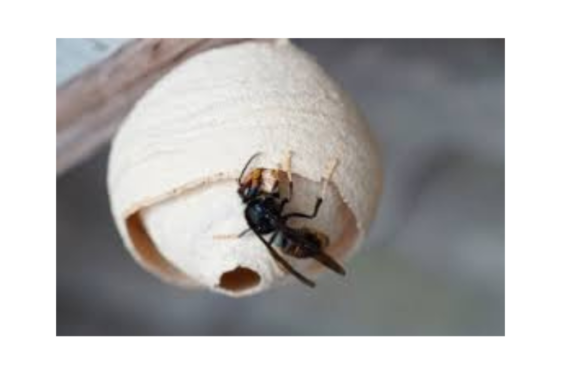
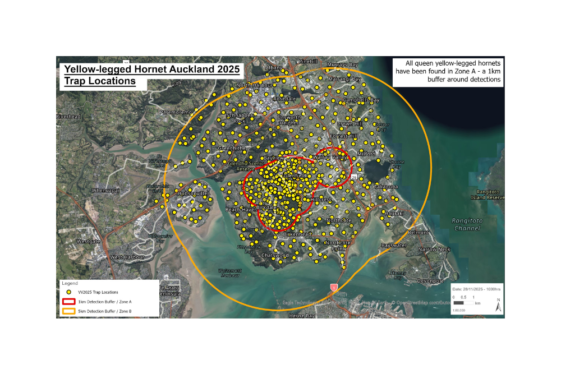
“The teams on the ground are doing a fantastic job. They are finding nests. We should be applauding them and encouraging them,” Lester says. “The concern most of us would have is, the rate of nest discovery is not declining. We are still seeing new nests found and an increasing rate of discovery in Auckland. That is not what we want to see, we want to see the rate of nest discovery declining so we are only finding a new nest every few days or weeks. What that tells me is, we need to do more. We need more teams on the ground searching as those teams are now.” In November the Ministry for Primary Industries’ (MPI) response was based on a five-kilometre radius zone centred around the Auckland suburb of Glenfield, where the first queen hornet was located in October. Inside the zone trapping for the hornets and visual inspection of likely nesting areas has taken place, resulting in finds of 27 queen hornets and 17 nests, as of November 29. Come January and February these smaller ‘embryo’ nests will be abandoned by many of their inhabitants with new homes sought in largely much less visible and accessible places, and the colony will turn to producing more queens with which to breed from. For that reason, taking effective action in December is critical to a successful response according to Lester. “We have a window of opportunity to find those nests and nail them. They will move up into the trees in a little bit. About 70% of nests relocate… From there they will potentially get more difficult to discover because they are high in tree canopies at times and hidden quite well”. The Victoria University of Wellington expert on biosecurity specialises in invasive wasps and has been tasked with chairing a technical advisory group of MPI, made up of domestic and international yellow-legged hornet experts. Crucial to the next month is more intensive delimitation surveys, to determine how far the hornets may have dispersed from what is believed to be their point of entry in Auckland. “The primary focus has to be around what is going on in Auckland and that area. They have bait stations and traps to five kilometres now. There are arguments to be made that it should go further than that. Auckland motorway is nearby, and that is a real problem. If they got onto a truck there, we would have no idea where they might end up after that” Lester says.
The Beekeepers’ Role
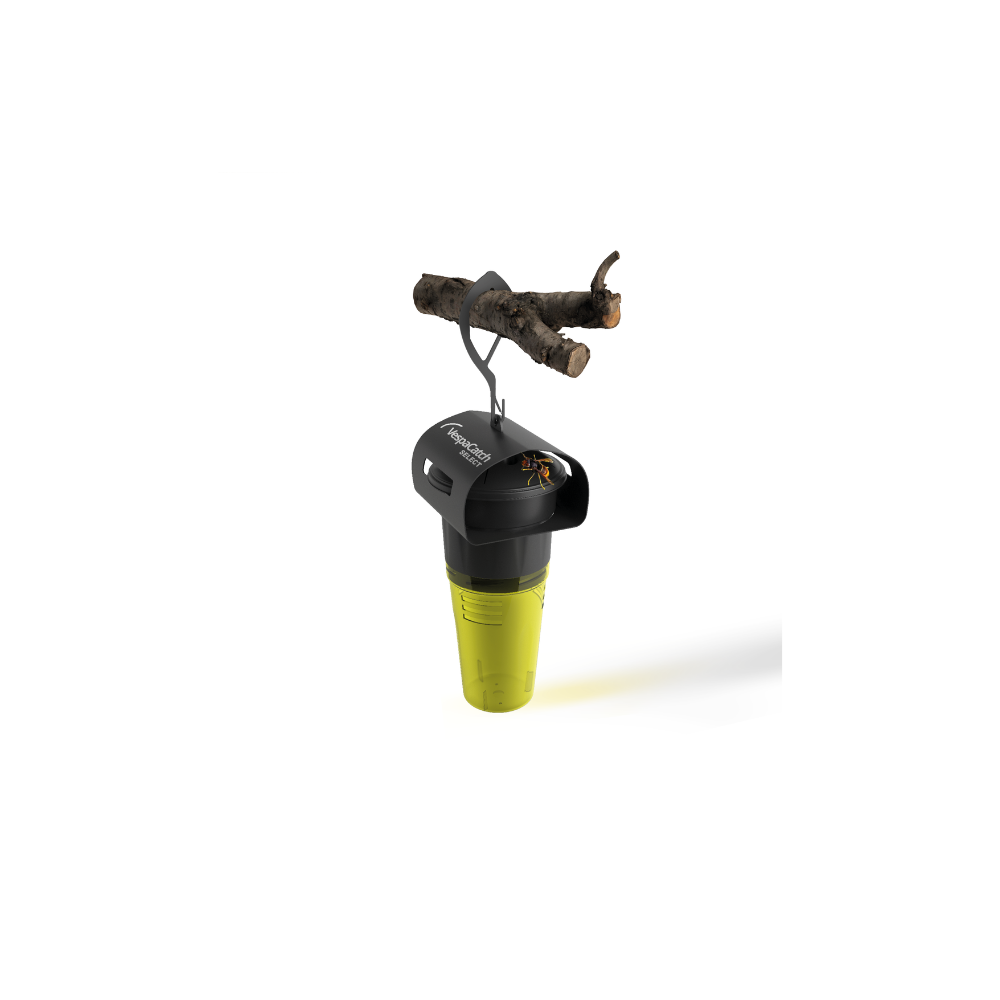
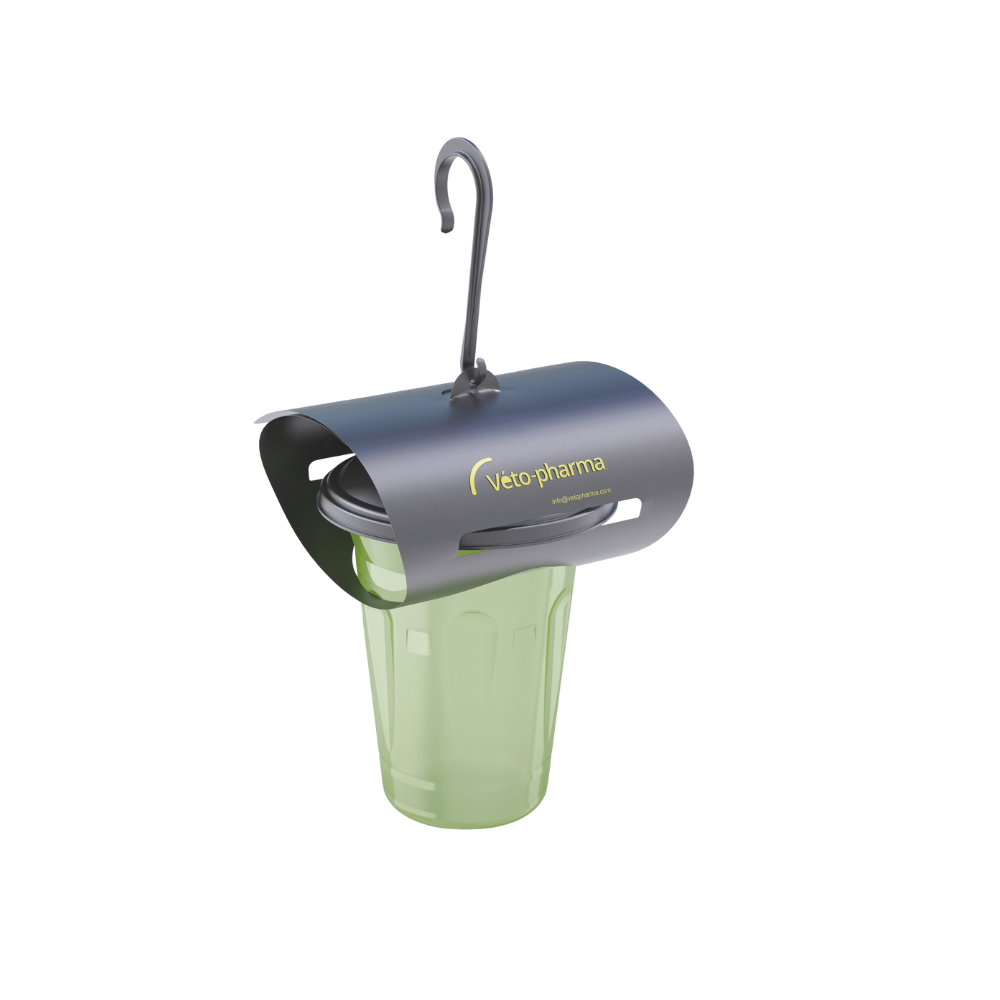
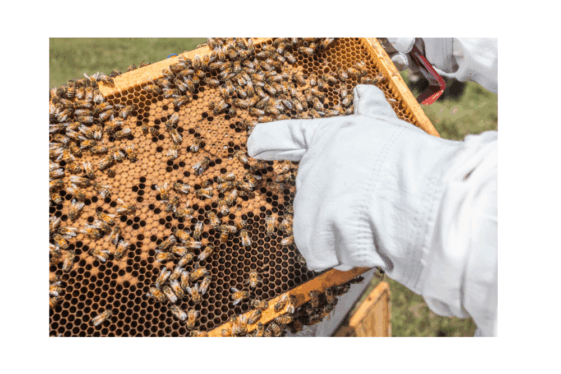
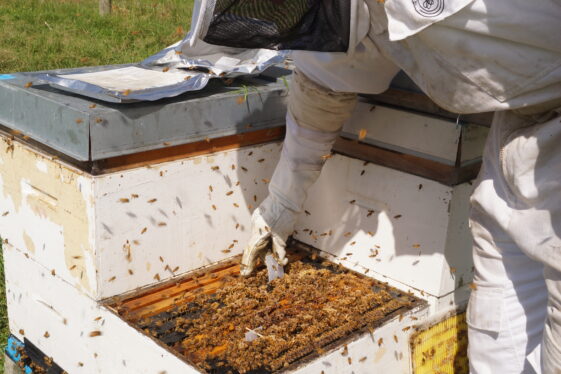
For that reason, New Zealand’s beekeepers are being encouraged to conduct “active and regular surveillance of hives” to attempt to determine the presence of the hornets and compliment the intensive activity in Auckland. While limited in what resources can be applied to the response due to their work being restricted to American foulbrood control, New Zealand Bee Health and Biosecurity (NZBB) have distributed advice to all registered beekeepers, asking them to both visually monitor apiary sites for signs of hornets, and to set traps (more information can be found at the conclusion of the article). National-level beekeeping groups Apiculture New Zealand (ApiNZ) and New Zealand Beekeeping Inc (NZBI) have been meeting, along with NZBB, with the Minister for Biosecurity Andrew Hoggard, and MPI. ApiNZ CEO Karin Kos says they, like Lester and the independent advisory group MPI has tasked him with leading, are imploring the government to throw more resources at an incursion that could have huge impacts on beekeeping in New Zealand. “It was a slow start but as soon as we are able to initiate a few regular meetings and speak to the Minister, they have picked up the pace”, Kos says. “We just need more resources thrown at this, more urgency and they need to look at taking the surveillance further and broader.” Together with NZBI and NZBB Kos has met with the Biosecurity Minister and his team. “We have had to push a little bit, but they certainly have stepped up and are really responsive and come back to us quickly. Myself, Ian (Fletcher) and Niha (Long) have worked really closely together and tag-teaming those conversations, having the meetings with the Minister, attending daily meetings with MPI and Biosecurity New Zealand, that is what you have to do to keep the pedal to the metal.” It is not just about Biosecurity New Zealand’s efforts either, with the role of beekeepers not to be underestimated the ApiNZ CEO says. “It is all hands on deck when something like this hits … The point I have made to the Minister is, beekeepers are here to help and want to be part of any response. It is in their best interests to keep it out, so use this very important group. Use them for advice, but also use them to help. “Is it too late? That I can’t answer, but we need to play our part to be better prepared,” Kos says.
BEING BETTER PREPARED
The apiculture industry’s unpreparedness for biosecurity incursions had been a hot topic even prior to the yellow-legged hornet outbreak. Most other primary industries are entered into Government Industry Agreements (GIAs) with central government which set out plans for incursion responses and cost sharing. The beekeeping industry has held off making such a commitment, with there being doubts about how effective elimination of common honey bee pests and diseases can be once they enter the country. NZBB chief executive Niha Long has worked on incursion responses for many pests and diseases, including fruit fly in 2019 and as a senior operations manager in the Mycoplasma bovis response in cattle which entered the country in 2017. She believes the yellow-legged hornet response would have been greatly improved thus far, had the beekeeping industry had a GIA in place. As it stands, NZBB’s resources are limited to tackling American foulbrood, so their “formal involvement” in the hornet response has been negligible, but they have been facilitating conversations and providing beekeepers with information. “GIA membership would provide voting rights and a say in operational decisions that directly affect our industry,” Long says. “It would also provide opportunities to participate in readiness activities, such as incursion simulation and scenario planning.” By way of comparison, Australian beekeepers pay an annual ‘Emergency Plant Pest Response’ levy amounting to AU1c per kilogram of honey sold for those selling more than 1,500kg of honey a year. This money is targeted to biosecurity responses and has been set for the next six years, with hopes of paying back debt incurred following the varroa incursion since 2022. Alongside this, a larger 2.8c/kg ‘biosecurity activities’ levy is collected each year, to fund ongoing biosecurity education and initiatives, many delivered collaboratively with Plant Health Australia. Kos says, regardless of funds, a lack of preparedness has slowed the current response to yellow-legged hornets. “We don’t have preparedness plans. A GIA was our (ApiNZ) preference originally, and I still think is – which can be a point of difference with some others, but at least under a GIA you are working with partners who will be impacted by similar issues and you have to develop preparedness plans,” Kos says. “If we had had something in place we would have been able to run and test scenarios, and everyone have an emergency plan in the back pocket. And, as an industry, take some responsibility. For me, it has always been a frustration not having that in place and this is an example of what happens when you don’t, everyone is scrambling for a response.” Even without a GIA, Lester says once two male hornets were discovered in June and July he warned MPI they needed to be prepared to launch a major response come spring. That response has been slow. “It would have been wise to get ourselves better prepared to look. We wouldn’t have been able to look in June or July because the queens would have been hibernating, but we could have got prepared to do more,” Lester says.
WHAT MATTERS NOW
Hindsight is 20:20 vision though the wasp expert says and what really matters now is how effective delimitation and eradication efforts are over the next month. After that there is one thing working in our favour, with the pest’s protein requirements then becoming higher and thus the colonies more susceptible to fipronil-laced Vespex bait. That is a useful tool in the toolbox Lester says, but extra resource put towards elimination now will be well spent. “There is competence there and a desire to do the hard work, but we need to ramp it up as much as we can and that is certainly the advice being given by the technical advisory group. Go hard go early,” he says, adding, “More could be done”.
Beekeepers are encouraged to visit MPI’s yellow-legged hornet response webpage, where there is information specifically forbeekeepers regarding FAQs and information; a beekeepers’ guide to surveillance; and a beekeepers’ guide to trapping.
This article was published in the Apiarist Advocate on the 4th December 2025.
Related products