
How to Trap Wasp Queens in Spring NZ
If wasps wrecked your barbecues, beehives or fruit trees last summer, the time to do something about it is now, in spring, well before you see a single nest. Wasp queen trapping in NZ is one of the cheapest and simplest pest control jobs there is, and it works best in a short window most people miss. This guide covers why spring queens matter, how to set traps so they actually catch, and what to do if a nest gets established anyway.
Why spring wasp queens matter
Every wasp nest you see in summer was started by one queen, working alone, in spring. Take her out before her first workers hatch and that nest simply never happens.
Here’s how the season runs. Late the previous summer, an established nest raises new queens. They mate, leave the nest and hibernate over winter in sheltered spots like woodpiles, sheds, bark, roof spaces and thick scrub. The old nest and its workers die off in the cold.
When spring warms up, each surviving queen wakes and goes looking for a dry, sheltered spot, often an old rodent hole in a bank, a hollow tree or a wall cavity. She scrapes wood fibre into paper pulp, builds a handful of cells and lays a single egg in each. She forages for herself and her larvae with nobody helping.
That solo phase lasts roughly 30 to 50 days, until her first workers emerge. After that she stops foraging, stays in the nest laying eggs, and the workers do everything else. By late summer a single nest can produce 1,000 to 2,000 new queens, and the cycle starts again.
So the maths is simple. A queen caught in October is one nest fewer in February, and potentially thousands fewer queens heading into next winter.
Why wasps are a big problem in New Zealand
New Zealand has some of the worst wasp populations in the world, because introduced German and common wasps have few natural enemies here and plenty of food. They’re a nuisance around homes, but they also cost farmers, beekeepers and native wildlife.
- Beech forest numbers are extreme. The Department of Conservation estimates that some beech forests carry around 12 nests, or 10,000 worker wasps, per hectare at the seasonal peak. Wasps there eat huge amounts of honeydew, the sugary food native birds like tui, bellbirds and kaka rely on, plus large numbers of native insects.
- Warmer regions can grow giant nests. In the upper North Island a share of German wasp nests survive the winter and keep growing, which is how you end up with the metre-plus nests that make the news. Those overwintered nests are already full of workers in spring, so early trapping around them matters even more.
- Farms and lifestyle blocks feel it too. Wasps raid beehives, damage stone fruit and grapes, and make outdoor work, stock yards and shearing sheds unpleasant. On a lifestyle block with kids, pets or anyone allergic to stings, a nest near the house is a real safety issue.
How to trap wasp queens in spring
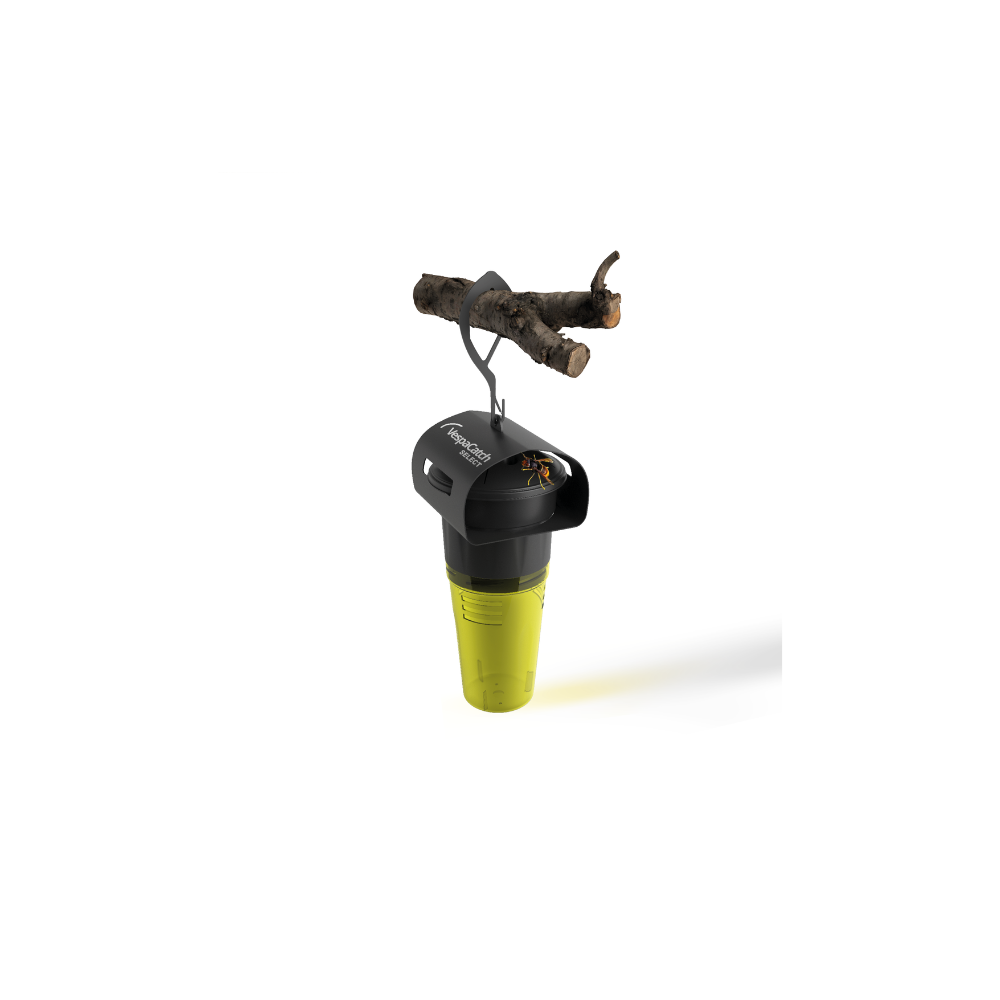
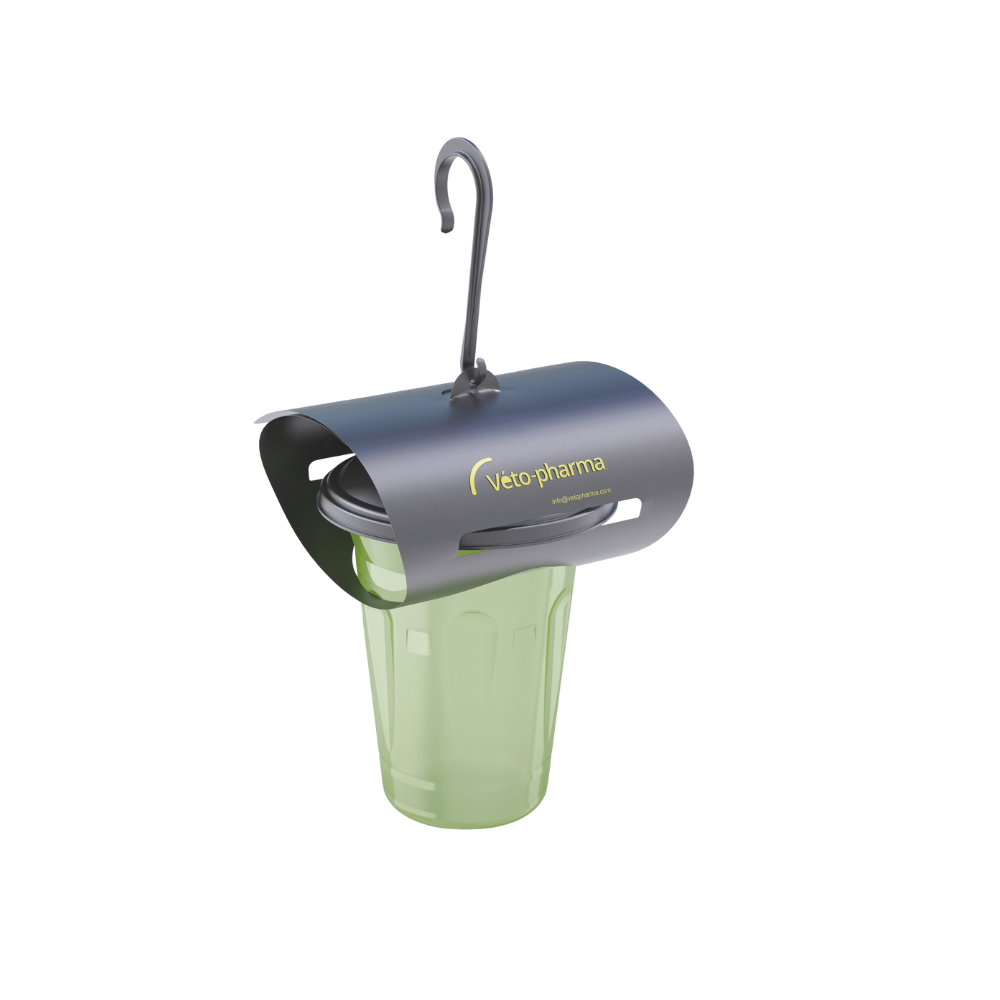
Trapping works by giving a hungry queen something more attractive than anything else nearby, then stopping her getting out again. A good lure trap in the right spot can do that for weeks at a time with very little effort.
- Get traps out early. Set them as soon as the weather starts warming, which is usually from September in most of NZ and a little earlier in warmer northern areas. Queens are hungry after winter and actively feeding, so early spring is when they’re easiest to catch.
- Put them where queens are feeding. Hang traps near food and shelter: flowering shrubs, fruit trees, compost, woodpiles, the edge of scrub and around sheds. Place the trap near the food source rather than in it, so you’re pulling wasps across to the trap.
- Get the light right. Wasps escape towards light. Hang the trap so there’s bright light above it and nothing shading underneath. Shade under the trap is the most common reason a trap catches poorly.
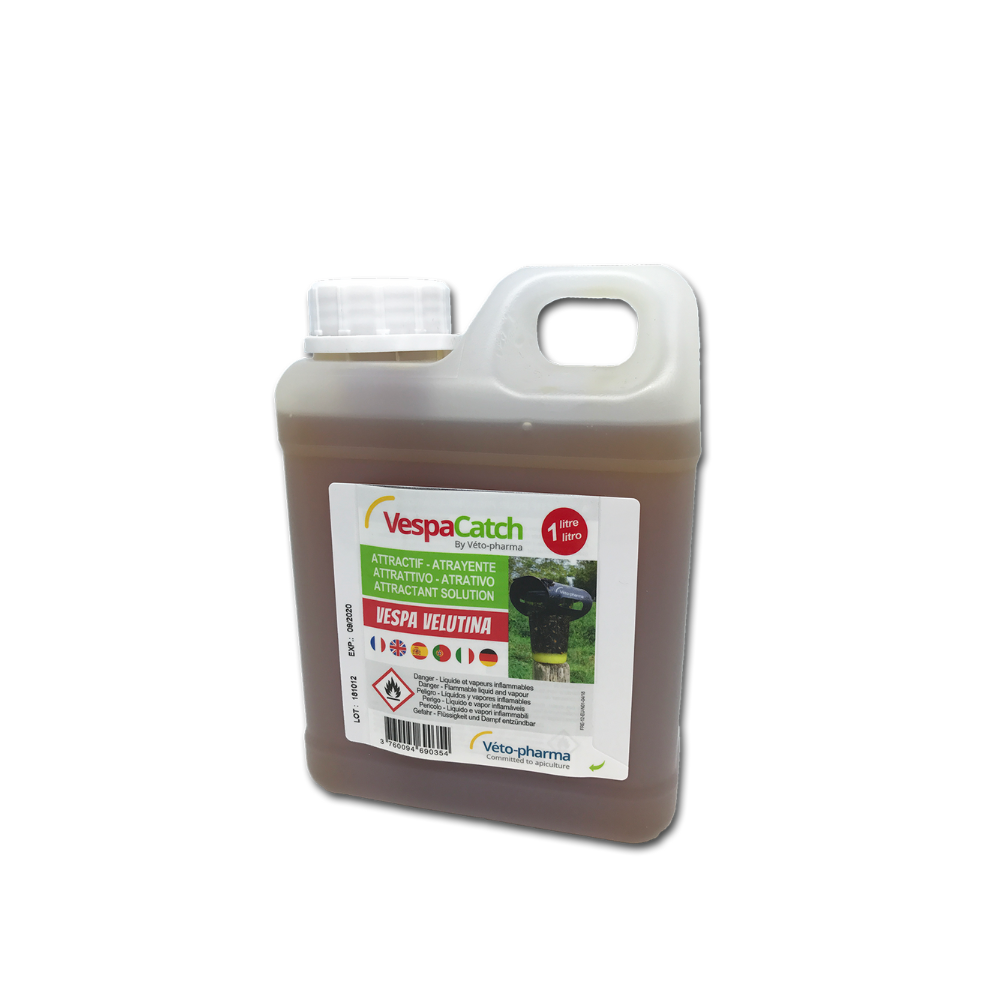
- Keep the lure fresh. Lure thickens and loses its pull over time. Plan on a fresh refill every 2 to 4 weeks, using around 250ml per trap, and keep going through summer to pick up workers once the season gets going.
Practical tips for better catches
Most of the difference between a trap that works and one that doesn’t comes down to placement and maintenance. These are the small things that help.
- Tip: Run more than one trap. A few traps spread around the house, sheds and orchard catch more than one trap in the middle of the lawn. Queens forage over a wide area, so cover the spots they’re likely to visit.
- Tip: Check traps weekly. Empty out caught wasps and top up when the lure level drops. A trap clogged with dead wasps or dried-out lure stops working.
- Tip: Hang traps at head height or a bit higher. It keeps them in open light, out of reach of kids and dogs, and easy to check without bending into scrub.
- Tip: Talk to your neighbours. Queens don’t respect boundaries. If the properties around you trap too, everyone gets a quieter summer.
Common wasp trapping mistakes
Most failed trapping comes from starting too late or setting traps in the wrong spot. Avoid these and you’ll get far more out of the same gear.
- Mistake: Waiting until you see lots of wasps. By then the nests are built and full of workers. Trap in spring, when every wasp you catch is likely to be a queen.
- Mistake: Hanging traps in deep shade. Wasps head for light to escape, so a shaded trap lets them find their way out. Move it where the light is above the trap.
- Mistake: Setting and forgetting. Old lure goes thick and stops attracting. Refresh it every 2 to 4 weeks and empty the trap regularly.
- Mistake: Putting the trap right on the food. A trap sitting in the fruit or on the compost competes with it. Place it nearby so wasps are drawn across to it.
Spring wasp trapping checklist
Run through this list this week and you’ll have your traps working in time for the queen season
- Traps out from early spring, before nests get going
- Placed near food and shelter: fruit trees, flowering shrubs, woodpiles, sheds, scrub edges
- Bright light above each trap, no shade underneath
- Hung at head height or higher, away from kids and pets
- Lure refreshed every 2 to 4 weeks
- Traps checked and emptied weekly
- Traps kept running through summer to catch workers
Next step: walk your property today and pick three or four trap spots near where wasps were worst last summer.
Related products