
Spring Feeding: Building Strong Colonies Before the Flow
A note from MegaBee’s creator, Dr Gordon Wardell
Spring is one of the most important—and potentially most challenging—periods of the beekeeping year. As colonies emerge from winter, the population must rebuild rapidly. The older winter bees are reaching the end of their productive lives, while the colony needs to produce large numbers of young bees to support brood rearing, foraging and the coming honey flow.
For beekeepers, this is a critical transition period. A colony that enters spring with inadequate nutrition can struggle to build population just when the season is beginning to accelerate.
My philosophy has always been that beekeeping should be anticipatory rather than reactionary. We should prepare colonies for the conditions we expect rather than wait until a nutritional shortage becomes obvious.
Spring weather can create a nutritional gap
New Zealand offers an extraordinary diversity of floral resources, but weather and local conditions can make the availability of pollen and nectar unpredictable. Cool temperatures, rain, wind or a gap between flowering periods can prevent bees from collecting enough forage even when flowers are present.
When that happens, the colony may be forced to draw heavily on its existing stores. More importantly, inadequate protein availability can limit the colony’s ability to raise brood and replace the ageing winter population.
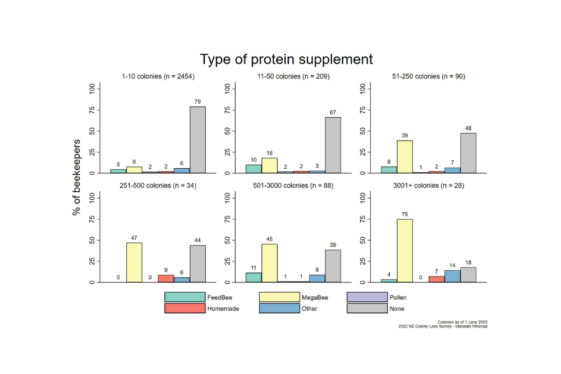
New Zealand’s own colony-loss surveys have recognised supplementary feeding as an established management practice, including both carbohydrate feeding and protein supplementation when natural resources are insufficient.
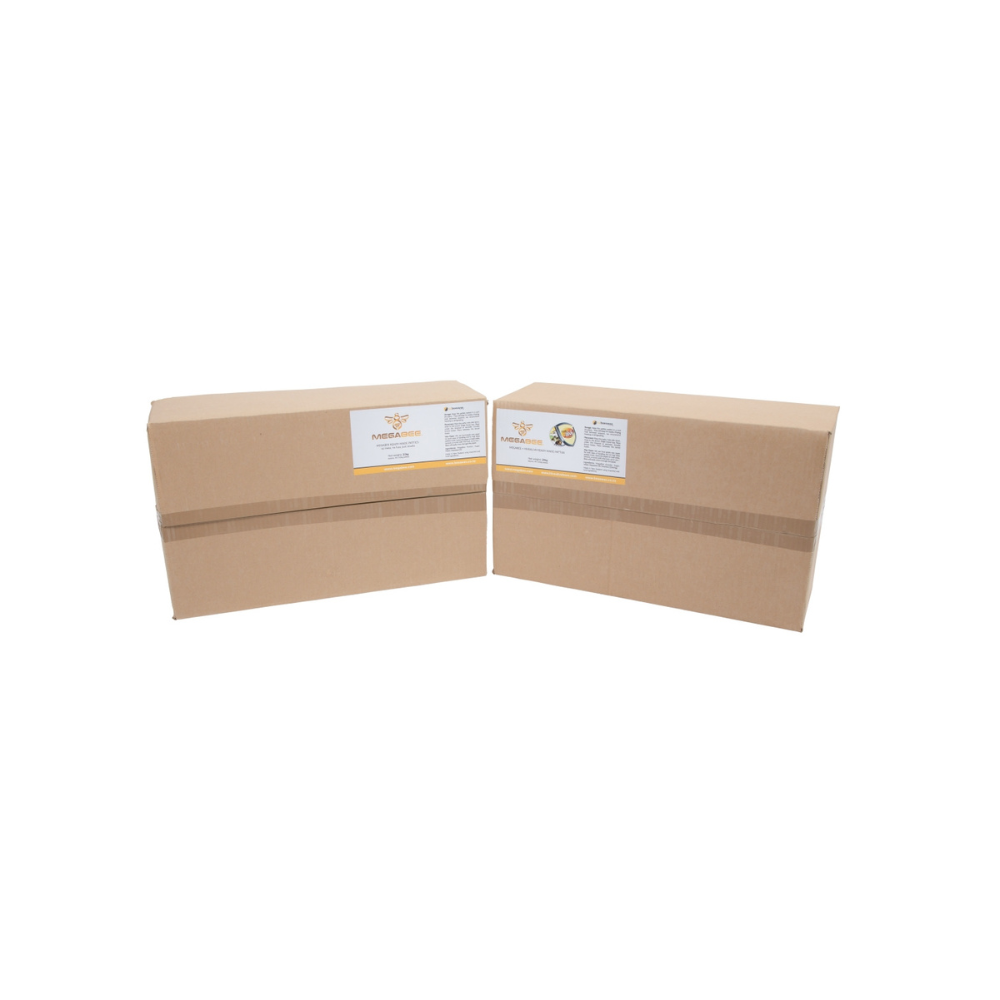
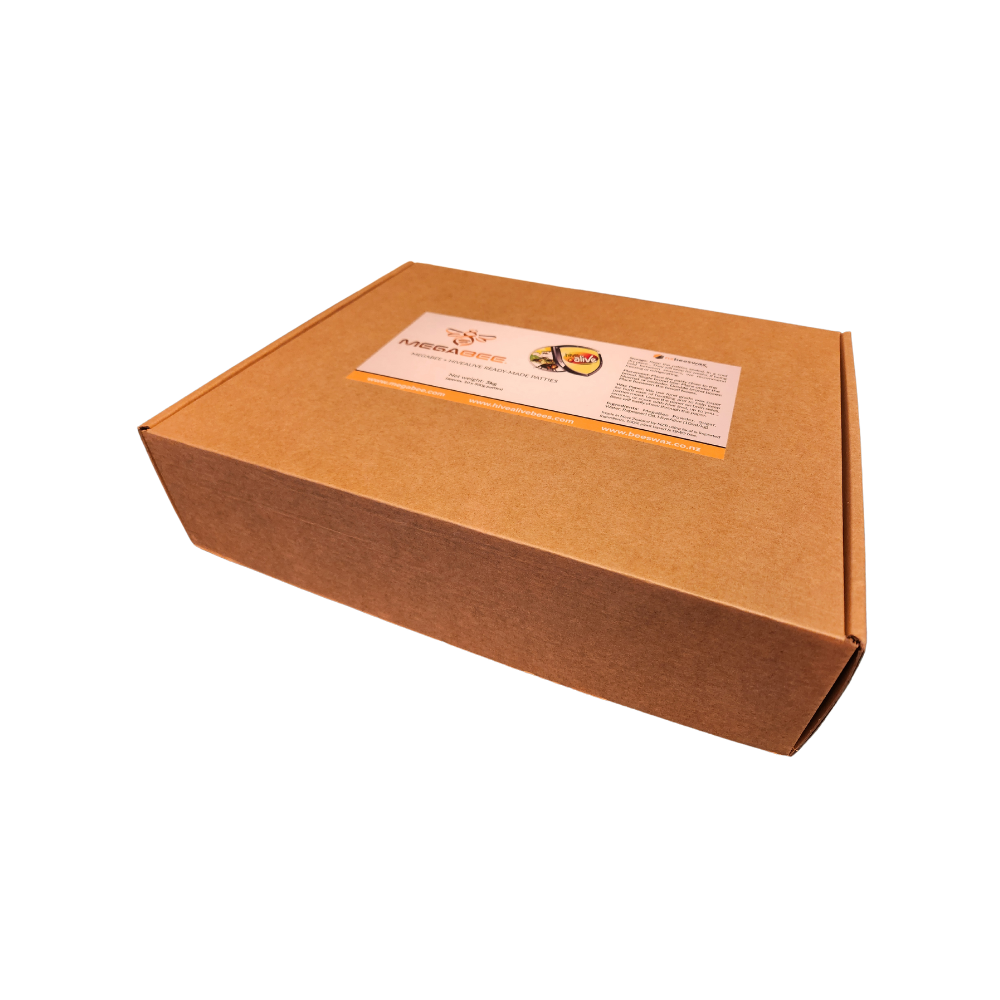
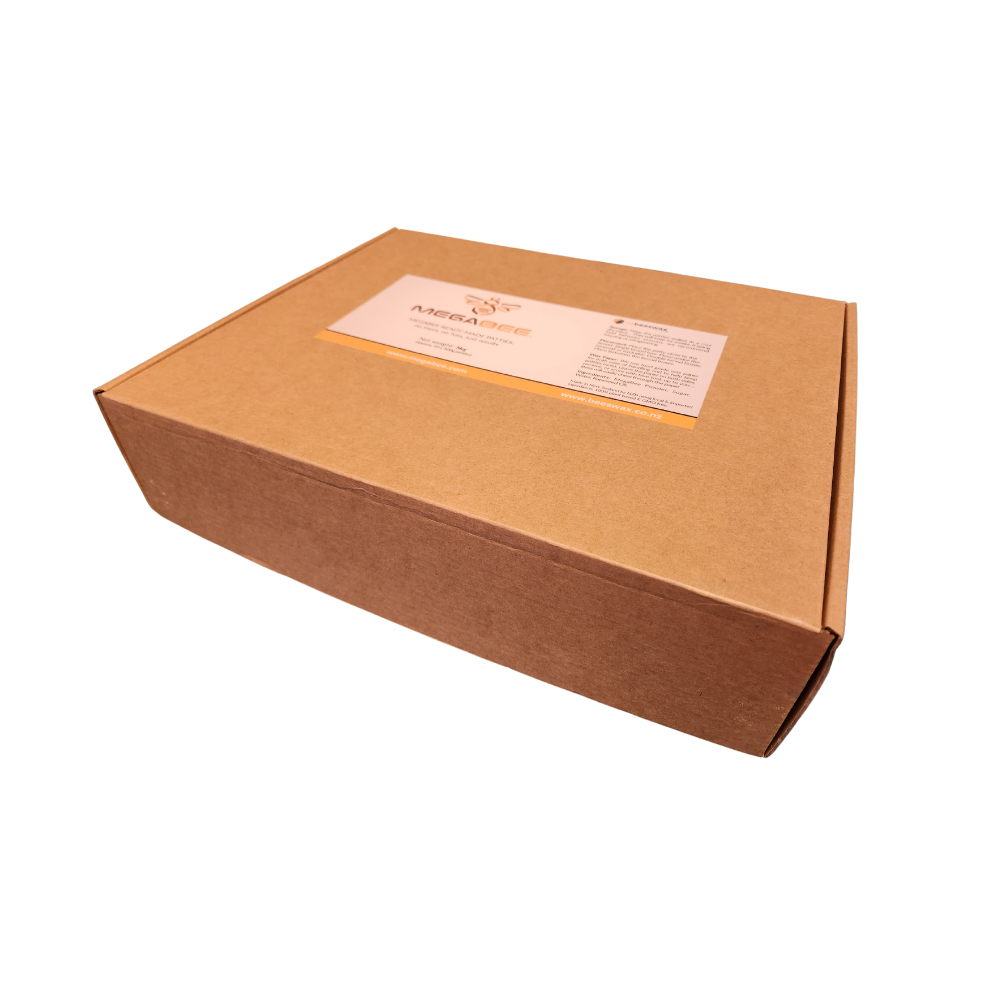
This is where a quality protein supplement such as MegaBee can become an important management tool.
Protein supports the spring build-up
Pollen supplies bees with protein, lipids, vitamins, minerals and other nutrients needed for normal development. During periods when natural pollen is inadequate, a suitable protein supplement can help provide the colony with a more consistent nutritional resource.
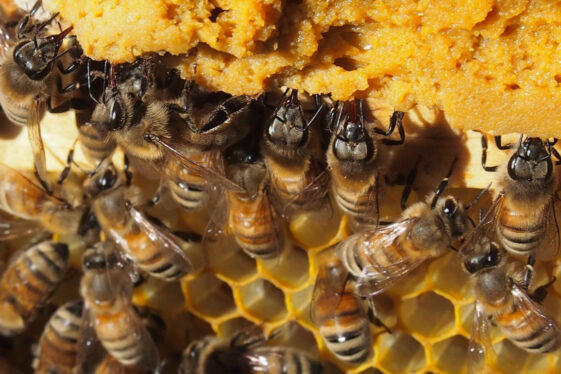
Feeding MegaBee during spring can support the colony through the transition from winter bees to a growing population of young adult bees. Good nutrition is particularly important for the bees responsible for producing brood food and caring for developing larvae.
The objective is not to replace natural forage. Rather, it is to bridge nutritional gaps and keep colony development moving forward when weather or forage conditions temporarily limit what the bees can collect.
That distinction is important. A supplement should be viewed as a management tool—not as a substitute for good forage, sound colony management and adequate stores.
Don’t forget carbohydrates
Protein is only part of the spring nutrition equation. Brood rearing and colony growth also require substantial carbohydrate resources.
Nectar and stored honey provide the energy needed for colony activities, including maintaining brood temperature. During periods when nectar is unavailable, beekeepers may need to provide an appropriate carbohydrate feed.
When using MegaBee as a spring patty, beekeepers should feed supplemental syrup if nectar is not available. The patty alone does not have enough carbohydrates for the nurse bees to turn the patty into royal jelly.
The important principle is simple: Protein supports growth; carbohydrates provide energy. A growing colony needs both.
Feeding should be based on colony conditions
There is no single spring-feeding schedule that works for every beekeeper. Spring arrives at different times throughout the country, and forage conditions vary considerably between regions and seasons.
Before feeding, it is important to evaluate the needs of the colony:
• Colony population and brood area
• Existing pollen and carbohydrate stores
• Queen performance
• Local flowering conditions
• Weather and forecast conditions
• Expected nectar and pollen flows
• The colony’s intended use—honey production, pollination, or increase
If a colony is expanding rapidly but natural pollen availability is inconsistent, supplementary protein can help bridge that gap.
Once feeding begins, monitor the colony and the surrounding forage. Continue supplementation while it is needed. To discontinue feeding before natural pollen is available may stress the colony and damage brood that is being reared. The bees will cannibalize open brood if the colony is severely nutritionally challenged.
Supporting the winter bees
The bees that survive winter are extremely valuable during the early spring build-up. They must maintain the colony while simultaneously supporting the production of the next generation.
Good nutrition during this period may help these older bees maintain their ability to perform essential colony functions while the population transitions toward a new generation.
This becomes especially important in colonies that have experienced nutritional stress, heavy winter demands or significant parasite pressure.
Nutrition, however, is only one component of winter and spring survival. Varroa management, queen quality, adequate stores, disease prevention and appropriate colony management remain fundamental.
Well-fed larvae become tomorrow’s foragers
Spring feeding is ultimately an investment in the future population of the colony.
Developing larvae require an adequate supply of nutrients. Well-nourished larvae have the potential to develop into larger, healthier adult bees capable of performing the many tasks required by a growing colony.
As the population increases, more bees become available for brood care, comb building, nectar collection and pollen collection. Eventually, this growing workforce is what allows the colony to take full advantage of the major nectar flows.
The goal is therefore not simply to have more bees—it is to have a strong, healthy population ready when the opportunity arrives.
Building a pollen reserve
Another potential advantage of consistent supplementary protein availability is that it can reduce the pressure on the colony to consume every bit of incoming pollen immediately.
When nutritional needs are being met, colonies may be able to retain more of their naturally collected pollen stores. Those reserves can become important when weather subsequently prevents foraging.
This is particularly relevant in New Zealand, where weather can change quickly and floral resources can vary significantly between locations and seasons.
Feed for the colony you want—not simply the colony you have
The most successful spring management programs are based on anticipating the colony’s nutritional requirements.
If the goal is to have colonies reach peak population for a major nectar flow or pollination event, waiting until the colony is already behind can mean losing valuable time. A nutritional setback can take several weeks of brood cycles to correct.
Providing appropriate supplementary nutrition when natural resources are inadequate gives the colony an opportunity to continue developing rather than stopping and starting as forage conditions change.
That is the real value of spring feeding.
Don’t wait for the colony to tell you it is short of nutrition. Anticipate the nutritional needs of the colony, monitor the conditions around it, and use supplementation strategically when natural resources cannot keep pace with demand.
MegaBee is one tool that can help beekeepers do exactly that—supporting consistent protein availability during the critical spring build-up and helping colonies prepare for the season ahead.
Final thought
A strong spring colony does not happen by accident. It is the result of good winter preparation, effective Varroa and disease management, a productive queen, adequate stores, good forage and—when necessary—thoughtful supplementary nutrition.
Beekeeping should be anticipatory, not reactionary. Feed to build the colony you want to have when the season reaches its peak.
Related products